



As a former pro, I’ve felt that fine line between fit and fragile. Word from inside Manchester United points to a clear shift: Ruben Amorim has recalibrated daily training after complaints that Erik ten Hag’s sessions ran too hot and fed the injury pile-up. The focus now leans on controlled intensity, sharper tactical blocks, and cleaner recovery windows. Fans applaud the common sense, noting a lighter schedule helps too. Skeptics counter that a gentler week can blunt the team late on. Both can be true. If United periodize correctly - short, targeted spikes and smart rest - they’ll keep legs fresh without losing the edge.
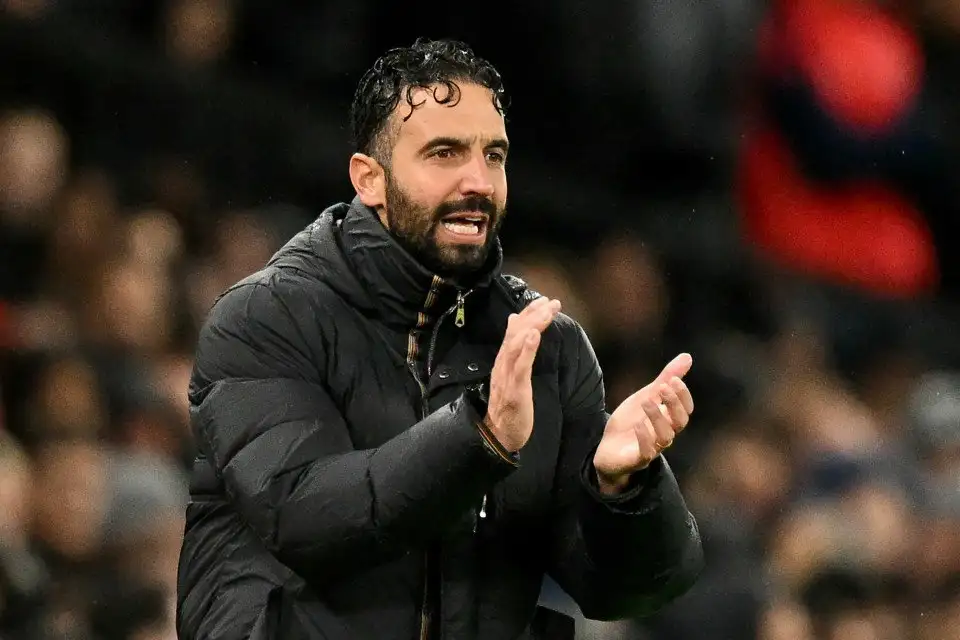
Context: United’s previous cycle was criticized by some players for high-intensity, repeated high-speed drills that coincided with a heavy injury toll. The new staff have shifted toward tighter microcycles, shorter pitch loading on non-match days, individualized gym activation, and earlier integration of tactical walkthroughs. Recovery blocks are protected, and conditioning is pushed into controlled, high-quality bursts rather than sustained red-zone work. The schedule - fewer midweek fixtures - naturally reduces cumulative fatigue. Early training-ground feedback suggests workloads are more stable, with GPS data guiding daily adjustments and medical input embedded in session design.
🚨 JUST IN: One of the criticisms of former manager Erik ten Hag from several United players was that his training sessions were too intense and contributed to their infamous injury toll. Ruben Amorim has adjusted United’s training pattern so that their daily sessions become
@UtdXclusive
Impact Analysis
Reducing daily strain can change the season’s trajectory in three ways. First, availability. A small drop in soft-tissue incidents can swing a campaign. Clubs that cut repeat hamstrings and groins by even 15-20 percent typically gain 5-7 extra starts from core players, which compounds into cleaner combinations and tactical continuity. Second, performance quality. If Amorim keeps the neuromuscular system primed - brief high-speed exposures, change-of-direction blocks, finishing under fatigue - United can maintain top gear while limiting breakdown. Third, psychological freshness. Players respond when they feel heard and protected. That often lifts training intensity in the moments that matter because buy-in rises.
The risk is undertraining. Too soft between games and you lose late-match bite. The coaching trick is microdosing intensity: accelerate on Tuesday-Thursday in 6-10 minute spikes, then taper. GPS will flag whether high-speed meters and sprint count are trending down. If second-half fade persists, extend the final tactical block with conditioned games that push repeat sprint ability without bloating overall load. Given the lighter match calendar, this model is sustainable, but it will be stress-tested when fixtures compress around winter.
Reaction
Supporters are split but mostly upbeat. Many praise Amorim for listening to the squad and modernizing load management, calling the change overdue after last season’s attrition. A recurring theme from fans is simple: one game a week helps. With fewer midweek commitments, the body has time to reset, and smarter training maximizes that window. Others argue that removing daily grind can sap intensity, pointing to spells where United seem to sag after halftime. That critique isn’t baseless - without steady high-speed touches, late legs can go heavy.
There’s also a practical chorus: no European fixtures - if that’s the case in a given stretch - makes a real difference in muscular freshness. A handful of fans tip their hat to Amorim’s adaptability and want him settled for the long run, saying this is the first sign of a coherent medical-performance strategy. The outliers warn that good vibes mean little if the team still concedes territory late. Bottom line from the terraces: keep players healthy, keep the press lively, and the crowd will buy in.
Social reactions
What I exactly said back then
iheb (@dhouibi_ih94)
True, but they always complain about how tired they’re and it shows in the 2nd half.
Paul Jr. Adeogun (@shotgun_84)
I love the way he's changing the club down to every detail, soon we'll see the impact all round the club
Enya of United (@United_Gist76)
Prediction
Short term, expect cleaner availability and a more consistent starting XI. That alone can bump underlying metrics - field tilt, final-third entries, and expected goals for - as partnerships stabilize. If the staff maintain two brief intensity spikes per week and protect a proper 48-hour recovery window after matches, soft-tissue issues should ease. United will look livelier in the first hour and, with targeted repeat-sprint work, should hold speed longer.
The hinge point arrives when fixtures stack - cup runs or a congested month. Amorim will need to flip the week: remove a pitch day, shift conditioning to micro indoor doses, and keep tactical content crisp. If they nail that, the second-half fade narrative fades with it. If not, you’ll see the GPS red flags: reduced high-speed distance and declining accelerations. My bet as someone who lived this rhythm - the new model sticks, injuries dip, and United finish matches stronger by spring after a month of progressive overload to bank repeat sprint ability.
Latest today
- Inter move for John Yeboah after Virtus Entella audition as Leeds, Parma and Lazio monitor
- Isco to miss Real Madrid clash after surgery - out at least a month
- Manchester United open wallet after wage cuts - midfield signing now primed under INEOS pl...
- Ruben Neves poised for January return to Europe as Al Hilal renewal stalls
Conclusion
This isn’t about making training easy. It’s about making it count. Under ten Hag, the intention to harden the team was clear, but the volume and intensity pairing looked costly against an unforgiving calendar. Amorim’s adjustment aligns with what top squads do now - individualized loading, brief red-zone exposures, and non-negotiable recovery. Players feel fresher, coaches still get the tactical reps, and the medical team stays ahead of trouble.
I’ve been in dressing rooms where a small tweak - cutting 10 minutes from a drill, moving finishing earlier, adding a short sprint block - changed the injury picture in a month. United are pointing in that direction. Keep the science honest, respond to the data, and the football will flow. If the group commits, the debate shifts from training volume to results - and that’s the best sign a training plan is working.




iheb
What I exactly said back then
Paul Jr. Adeogun
True, but they always complain about how tired they’re and it shows in the 2nd half.
Enya of United
I love the way he's changing the club down to every detail, soon we'll see the impact all round the club
Stewart C
Yeah but according to de Ligt they are shattered second half, 🤔
PetXtra
Isn't this supposed to be a club secret?
Chosen Wizdom
We also have only one game a week so that's less workload also.
Irvin Daniel Dsouza
Wow it's so amazing He ( Ruben ) has to manage them for only 1 game a week , eureka .
Top Cat
Serious crap. Only 12 games in 4 months and we already have injuries to Mainoo, Maguire, Casemiro & Sesko. But yeah, let’s blame injuries on someone else 😂😂
Alex
And they also don’t play mid week Europe.
Maverick
And maybe that is why they cannot be up with the same intensity from minute one, always falling apart in the second half. You hear the most absurd things with Manchester United players
muddin
Without European fixtures makes a difference
AM
one game a week also helps a lot
Admiral_cloud
This is commendable from Amorim. I hope he's going to manage ManUnited for a long time
Pandvil Network
the biggest event YET… 👀 Nov 15 @ 6 PM EST & Nov 16 @ 9 PM JST